
Why Lab Tested Shilajit Is Important | Experts Recommendation
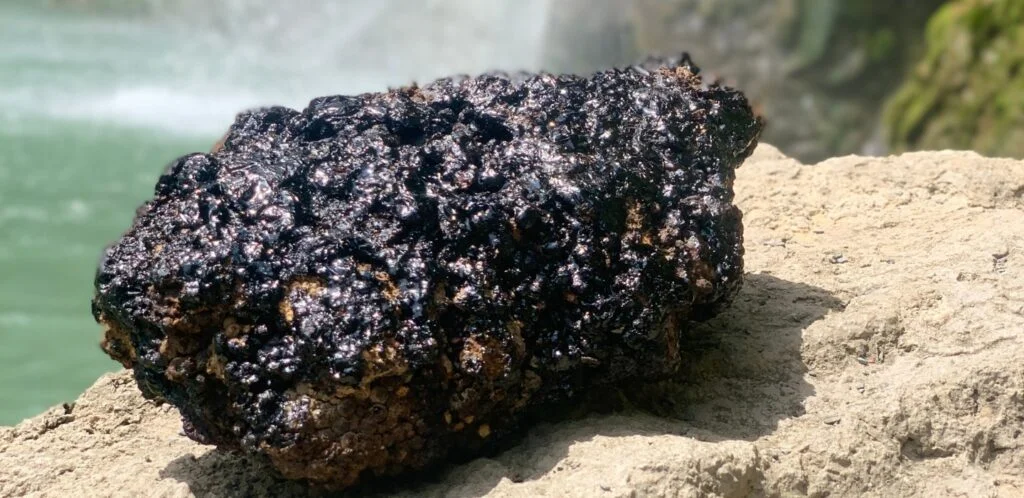
Shilajit has gained global attention as one of the most powerful natural substances for strength, energy, vitality, and overall wellness. Used for centuries in traditional systems such as Ayurveda, it is now widely consumed across the USA, UK, Europe, and other international markets.
However, with popularity comes risk. Today, the Shilajit market is flooded with fake, diluted, contaminated, or poorly processed products. Many brands rely on aggressive marketing while hiding critical safety information. This is why lab testing is not just important, it is essential.
If you are consuming Shilajit, recommending it, or selling it, understanding why lab testing matters is crucial for health, trust, and long term credibility.
This guide explains, in depth, how lab testing protects consumers, what experts look for, and why transparent brands consistently outperform others in both search rankings and customer trust.
Understanding Real Shilajit: A Substance That Demands Scientific Verification
Shilajit is not a simple herbal powder or plant extract. It is a complex mineral organic resin formed over centuries through the decomposition of plant matter under specific geological conditions.
It naturally seeps from high altitude mountain rocks, primarily in regions such as:
- The Himalayas
- The Altai Mountains
- Caucasus ranges
- Certain high elevation plateaus
Because of this origin, Shilajit absorbs both beneficial minerals and potentially harmful elements from its surrounding environment. This makes Shilajit unique and risky if not properly purified and tested.
Unlike capsules or synthetic supplements, Shilajit cannot be judged by appearance, taste, or smell alone. Only laboratory analysis can confirm whether it is:
- Safe
- Pure
- Authentic
- Effective
The Growing Problem: Why Untested Shilajit Is a Serious Risk
As demand for Shilajit increases, many sellers cut corners to reduce costs. Common issues in the unregulated market include:
- Selling raw, unpurified Shilajit
- Mixing resin with fillers or humic powder
- Artificially boosting fulvic acid claims
- Using chemical solvents during processing
- Avoiding third party lab verification altogether
For consumers, this creates a dangerous situation: a product marketed as “natural” may actually be unsafe. This is precisely why expert backed lab testing is non negotiable.
What Proper Lab Testing of Shilajit Actually Includes
True lab testing is not a single test. It is a series of analyses conducted by independent, certified laboratories using standardized scientific methods.
Below is what experts expect from a genuinely lab tested Shilajit product.
1. Heavy Metal Testing: The Most Critical Safety Factor
Why Heavy Metals Are a Concern
Because Shilajit forms in mineral rich rock layers, it can naturally absorb heavy metals such as:
- Lead
- Mercury
- Arsenic
- Cadmium
In raw form, these elements may exceed safe limits.
Long term exposure to heavy metals is associated with:
- Nervous system damage
- Kidney and liver stress
- Hormonal disruption
- Cognitive issues
This is why heavy metal testing is the first and most important step in Shilajit verification.
What Experts Look For
Certified lab reports measure heavy metals in parts per million (ppm) and confirm that levels fall within international safety standards.
A trustworthy brand will:
- Test every batch
- Share exact values, not vague statements
- Use third party, ISO certified labs
Any brand claiming “safe” without showing numbers should be avoided.
2. Fulvic Acid Content: Proof of Potency and Quality
Why Fulvic Acid Matters
Fulvic acid is the primary bioactive compound in Shilajit. It plays a key role in:
- Nutrient absorption
- Cellular energy production
- Antioxidant support
- Mineral transport
Without sufficient Fulvic acid, Shilajit loses much of its functional value.
The Problem With Marketing Claims
Many brands advertise:
- “80% fulvic acid”
- “Highest potency on the market”
Yet they provide no lab evidence.
In reality, fulvic acid levels vary based on:
- Source region
- Harvesting method
- Purification process
Only laboratory testing can verify real fulvic acid percentage
What a Real Lab Report Shows
A proper Certificate of Analysis (COA) clearly lists:
- Fulvic acid percentage
- Testing methodology
- Batch identification
This protects consumers from diluted or fake products and builds genuine trust.
3. Purity & Authenticity Testing: Separating Real Shilajit From Imitations
The Counterfeit Shilajit Problem
One of the biggest issues in the industry is fake Shilajit.
Common adulteration practices include:
- Mixing resin with bitumen or asphalt
- Adding humic powder
- Using synthetic binders
- Coloring low grade material
These products may look convincing but offer no real benefits and may even be harmful.
How Labs Confirm Authenticity
Advanced lab testing analyzes:
- Organic composition
- Mineral profile
- Molecular structure
This creates a chemical fingerprint unique to authentic Shilajit.
Experts rely on these tests to confirm that a product is:
- Naturally formed
- Properly purified
- Free from synthetic enhancement
Without this step, authenticity claims are meaningless.
4. Microbial & Contaminant Testing: Ensuring Clean Consumption
Hidden Risks Beyond Heavy Metals
Improper handling and storage can introduce:
- Harmful bacteria
- Fungal growth
- Mycotoxins
- Environmental pollutants
These contaminants may not be visible but can cause digestive issues, immune stress, and long term health concerns.
What Quality Testing Covers
Comprehensive lab testing includes screening for:
- Microbial contamination
- Pesticides
- Industrial pollutants
- Residual solvents
This ensures the Shilajit is safe for daily human consumption, especially for long term use.

Why Brands That Hide Lab Reports Should Be Avoided
A lack of transparency is one of the strongest red flags in the Shilajit industry.
Common Warning Signs
- “Lab tested” with no report
- Blurry or cropped COAs
- No batch numbers
- Refusal to share reports on request
- Internal testing only
If a brand refuses to show lab results, consumers should assume there is something to hide. From both an expert and consumer perspective, this is unacceptable for a substance meant for ingestion.
How Consumers Can Verify Lab Tested Shilajit
Before purchasing Shilajit, Our Amiri Shilajit experts recommend checking for:
- Third party lab reports (COA)
- Heavy metal values listed clearly
- Verified fulvic acid percentage
- Batch specific testing
- Easily accessible documentation
Transparency should be proactive, not hidden behind customer service requests.
Lab Testing and Long Term Health Responsibility
Shilajit is often consumed daily and for extended periods. This makes safety verification even more important.
A single contaminated batch can cause:
- Long term exposure to toxins
- Loss of consumer trust
- Brand reputation damage
- Legal and regulatory issues
Responsible brands understand this and invest heavily in consistent lab testing, not one time verification.
Expert Insight: Why Testing Matters More Than Price or Marketing
From an expert perspective, the most common and most dangerous mistake consumers make is choosing Shilajit based on surface level appeal rather than verified quality. Many purchasing decisions are influenced by:
- Low prices that often signal poor sourcing or dilution
- Influencer promotions without scientific validation
- Bold marketing claims lacking evidence
- Attractive packaging designed to impress, not inform
None of these factors guarantee safety, purity, or effectiveness. Independent lab testing remains the only objective measure of real Shilajit quality. This is why Amiri Shilajit prioritizes transparent, third party lab testing, so consumers can choose with confidence not compromise their health.
Final Thoughts: Lab Testing Is the Foundation of Real Shilajit
Shilajit is undeniably powerful, but power without verification is a risk, not a benefit. Because Shilajit is a naturally occurring, mineral dense substance, its quality can vary dramatically depending on sourcing, purification, and handling. This makes independent lab testing the single most important standard of credibility in the Shilajit industry.
Lab testing is not just a marketing feature, it is a responsibility.
Why Lab Testing Truly Matters
- Protects consumers by ensuring Shilajit is free from unsafe levels of heavy metals, contaminants, and impurities
- Confirms authenticity, verifying that the product is genuine Shilajit resin and not a synthetic or diluted substitute
- Ensures potency by validating fulvic acid content and mineral composition
- Builds trust through transparency, accountability, and third party verification
- Separates real brands from shortcuts, exposing those who rely on claims instead of evidence
In an industry where exaggerated promises and unverified products are common, science backed transparency becomes the ultimate differentiator. Brands that invest in consistent, third party lab testing demonstrate not only confidence in their product, but also respect for their customers’ health and long term wellbeing.
Consumers today are more informed than ever. They understand that true quality can be proven, not claimed. A brand that cannot provide clear, independent lab reports is asking for blind trust and blind trust has no place in health related products. Ultimately, Shilajit should support wellness, not introduce uncertainty. If a Shilajit brand cannot prove its quality through independent lab testing, it does not deserve your trust or your health.